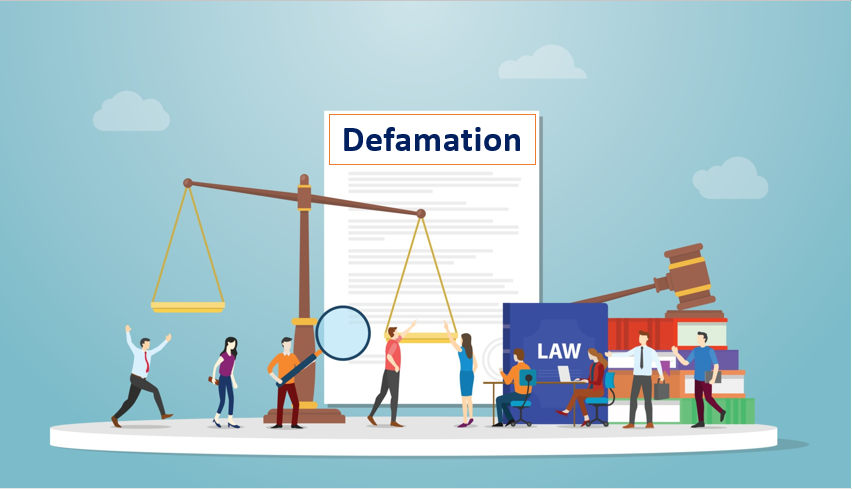
Defamation law plays a critical role in safeguarding individuals and organizations from false statements that can harm their reputation. With the rise of digital media, social platforms, and instant communication, understanding defamation law is more important than ever to navigate claims effectively and protect one’s personal or professional integrity. This article provides a comprehensive guide to the fundamentals of defamation law, its key elements, defenses, and practical implications.
What Is Defamation? Defining the Basics
At its core, defamation involves the communication of a false statement that injures the reputation of an individual, business, or entity. Defamation is a civil wrong (tort) and can be pursued in court to seek damages for harm caused by such statements.
Defamation manifests in two primary forms:
- Libel: Written or published defamatory statements, including print, online articles, social media posts, and emails.
- Slander: Spoken defamatory remarks made in conversations, speeches, broadcasts, or other verbal communications.
Both libel and slander can significantly damage a person’s reputation, resulting in emotional distress, loss of business, or other tangible harms.
Key Elements of Defamation Law
To establish a valid defamation claim, the plaintiff must generally prove the following elements:
- False Statement of Fact: The statement must be objectively false. Opinions, hyperbole, or truthful statements are typically not actionable.
- Publication: The defamatory statement must be communicated to at least one third party other than the person defamed.
- Fault: Depending on the jurisdiction and parties involved, the plaintiff must prove negligence or actual malice (especially in cases involving public figures).
- Harm to Reputation: The statement must have caused damage to the plaintiff’s reputation, such as loss of business, humiliation, or emotional suffering.
Understanding these elements helps individuals and entities evaluate the viability of a defamation claim or defense.
Defamation and Free Speech: The Balance
Defamation law exists in tension with freedom of speech protections, particularly in democratic societies valuing open discourse. Courts strive to balance protecting reputations with the constitutional right to express opinions and critique.
Key considerations include:
- Public Figures vs. Private Individuals: Public figures face a higher burden of proof, needing to show “actual malice” — that the defendant knowingly published false information or acted with reckless disregard for the truth.
- Opinion vs. Fact: Pure opinions are generally protected under free speech and are not grounds for defamation.
- Fair Reporting and Privilege: Reporting on official proceedings or statements made in certain contexts may be privileged and immune from defamation claims.
This balance ensures that defamation laws are not weaponized to suppress legitimate speech.
Common Defenses Against Defamation Claims
If accused of defamation, several defenses can be raised to mitigate or dismiss liability:
- Truth: A true statement, no matter how damaging, is an absolute defense to defamation.
- Consent: If the plaintiff consented to the publication of the statement, defamation claims may not proceed.
- Opinion: Statements that are clearly subjective opinions rather than assertions of fact.
- Privilege: Certain communications, such as those made during legislative sessions or in courtrooms, enjoy qualified or absolute privilege protections.
- Lack of Publication or Harm: Arguing that the statement was not published to others or did not cause reputational damage.
Careful legal analysis is required to assess applicable defenses on a case-by-case basis.
Defamation in the Digital Age: New Challenges
The proliferation of the internet and social media has transformed defamation law’s landscape:
- Wider Reach, Greater Damage: False statements can spread rapidly to millions, exponentially increasing reputational harm.
- Anonymous Speakers: Identifying and holding anonymous online commenters accountable can be difficult.
- Jurisdictional Complexities: Statements published online may cross national borders, complicating legal claims.
- Platform Liability: The role of social media platforms and intermediary protections continues to evolve legally.
Legal professionals must stay informed about emerging case law and statutes governing online defamation.
Practical Steps to Protect Yourself from Defamation
Individuals and businesses can take proactive measures to minimize defamation risks:
- Exercise Caution in Public Statements: Avoid making unverified or inflammatory claims about others.
- Monitor Online Reputation: Use digital tools to track mentions and address harmful content swiftly.
- Issue Corrections or Retractions: If false statements are made, publicly correcting misinformation can reduce damages.
- Consult Legal Counsel Promptly: Early advice helps determine whether to pursue claims or respond to accusations.
- Use Contracts with Non-Disparagement Clauses: In business dealings, include terms limiting damaging statements.
Being proactive helps maintain a strong reputation and mitigates legal exposure.
Consequences and Remedies in Defamation Cases
Successful defamation plaintiffs may obtain various remedies, including:
- Compensatory Damages: Financial compensation for actual harm suffered.
- Punitive Damages: Additional penalties designed to punish egregious misconduct.
- Injunctions: Court orders preventing further defamatory statements.
- Public Apologies or Retractions: To restore reputation publicly.
Remedies vary based on jurisdiction, severity of harm, and case specifics.
Conclusion: Navigating Defamation Law with Confidence
Understanding defamation law is essential for anyone seeking to protect their reputation or defend against false allegations. By recognizing the legal standards, defenses, and the evolving challenges posed by the digital era, individuals and organizations can better manage risks and uphold their integrity. Seeking expert legal guidance ensures proper handling of defamation issues with precision and care.