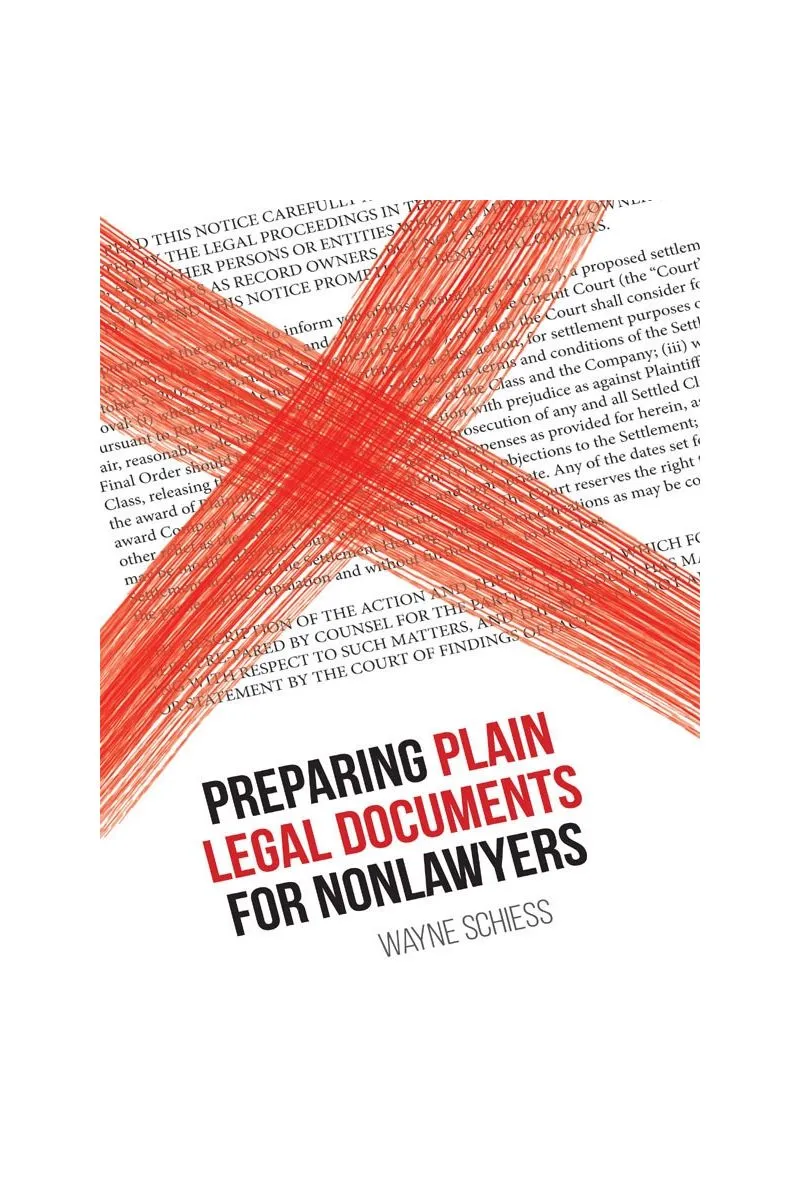
Legal writing is a specialized skill traditionally associated with lawyers, but in today’s complex world, legal writing for non-lawyers has become increasingly important. Whether you are a business owner, a student, a journalist, or anyone needing to draft or understand legal documents, mastering the essentials of legal writing empowers you to communicate clearly, avoid misunderstandings, and protect your rights. This detailed guide breaks down the key principles, tips, and common pitfalls to help non-lawyers write effective legal content with confidence.
What Is Legal Writing and Why Is It Important for Non-Lawyers?
Legal writing involves drafting documents that convey legal rights, obligations, and policies with precision and clarity. Unlike general writing, legal writing requires strict adherence to formality, accuracy, and unambiguous language.
For non-lawyers, legal writing skills are essential because:
- It enables you to create clear contracts, agreements, or policies without costly legal assistance.
- It helps you understand and interpret legal documents such as leases, employment contracts, or wills.
- It reduces the risk of disputes caused by vague or misleading language.
- It strengthens your ability to communicate effectively with lawyers and courts when needed.
Developing legal writing proficiency equips non-lawyers with a practical toolset for navigating everyday legal matters.
Key Principles of Legal Writing for Non-Lawyers
1. Clarity and Precision
Legal writing demands clarity to avoid ambiguity. Use simple, direct language whenever possible and define any technical terms.
- Avoid jargon unless necessary, and when used, provide explanations.
- Write short sentences and paragraphs to enhance readability.
- Specify exact dates, amounts, parties, and conditions without room for interpretation.
2. Formal Tone and Structure
Maintain a professional, formal tone suited to legal contexts.
- Use third-person voice and avoid contractions (e.g., use “do not” instead of “don’t”).
- Organize content logically with headings, numbered lists, and sections.
- Include an introduction outlining the purpose and parties involved.
3. Objectivity and Neutrality
Legal writing must be objective and neutral, avoiding emotional or subjective language.
- Focus on facts, rights, and obligations rather than opinions or assumptions.
- Present terms and conditions impartially to ensure fairness and enforceability.
4. Accuracy and Consistency
Errors in legal documents can have serious consequences.
- Double-check names, dates, and references throughout the document.
- Use consistent terminology and formatting styles.
- Cross-reference sections carefully to avoid contradictions.
Common Types of Legal Documents Non-Lawyers May Encounter
Understanding the structure and purpose of typical legal documents helps in drafting or reviewing them effectively.
- Contracts and Agreements: Outline the terms of a deal or relationship, specifying duties, rights, and remedies.
- Wills and Trusts: Detail how a person’s assets should be distributed after death.
- Power of Attorney: Grants someone authority to act on another’s behalf legally.
- Leases and Rental Agreements: Define the terms for property rental, including payment, duration, and responsibilities.
- Policies and Procedures: Set rules and guidelines for organizations or businesses.
Practical Tips for Effective Legal Writing
1. Know Your Audience
Tailor your writing to the intended readers. If drafting a contract for a business partner, use precise legal terms; if explaining legal concepts to a layperson, simplify the language.
2. Use Templates Wisely
Legal templates can provide a strong starting point, but customize them carefully to reflect the specific situation and jurisdiction.
3. Avoid Ambiguity
Be explicit about conditions and outcomes to prevent multiple interpretations.
- Use “shall” to indicate mandatory obligations.
- Use “may” to indicate discretion or options.
4. Proofread and Edit
Review your document multiple times, ideally with a fresh perspective or a second pair of eyes to catch mistakes and unclear language.
When to Seek Professional Legal Help
While improving your legal writing skills is valuable, some situations require expert legal advice:
- Complex transactions involving significant financial or legal risk.
- Drafting documents that must comply with specific laws or regulations.
- Resolving disputes or negotiating agreements.
- Preparing court pleadings or legal briefs.
Recognizing your limits and consulting an attorney ensures your documents are legally sound and enforceable.
Conclusion: Empowering Non-Lawyers Through Legal Writing
Mastering legal writing for non-lawyers bridges the gap between complex legal jargon and practical communication. By focusing on clarity, formality, and precision, non-lawyers can draft and understand essential legal documents confidently, protecting their interests and fostering clearer relationships. Whether you are managing contracts, drafting policies, or simply navigating legal documents, these skills are an invaluable asset.